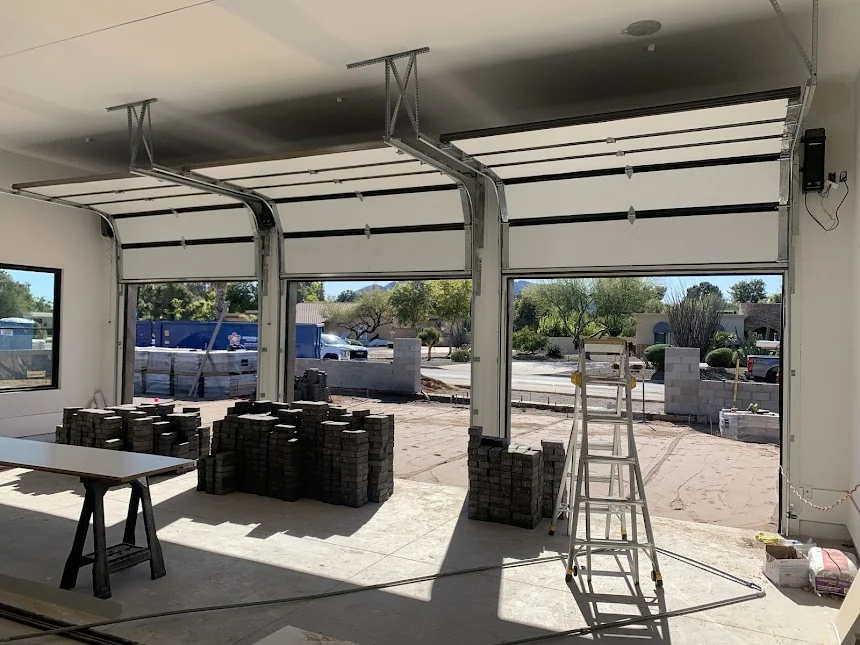
A car backs into a garage door, a windstorm tears off a panel, or a break-in leaves the opener smashed. Does homeowners insurance cover garage door damage in Southern California? Cali Pros Garage Door gets this question often, and the honest answer depends heavily on the cause of the damage. This guide breaks down what is typically covered and what isn’t. It also covers why California’s insurance market makes the answer more complicated than it used to be.
What Homeowners Insurance Typically Covers for Garage Door Damage
Most standard homeowners policies cover garage door damage caused by a sudden, accidental event. That includes fire, windstorms, hail, falling tree limbs, vandalism, and vehicle impact. A car backing into a closed door is one of the most common claims garage door companies see.
Theft and break-ins usually fall under this same category. If a burglar forces open or damages a door during a break-in, most policies treat that as a covered loss. The same generally applies if a neighbor’s vehicle hits a shared or adjacent door. Their auto liability coverage often handles that instead.
Coverage details still vary by carrier and policy. Every homeowner should confirm exact terms directly with their insurance agent before assuming a specific event is covered.
What’s Usually Excluded: Wear, Neglect, Earthquakes, and Wildfire
Ordinary wear and tear is the most common exclusion homeowners run into. A spring that finally gives out after years of cycles counts as ordinary wear. So does a track that has slowly bent from age, or an opener that simply stopped working. Insurers treat these as maintenance issues rather than insured losses.
Neglect works the same way. If a known problem went unaddressed for months and caused further damage, an insurer can deny the claim. Regular upkeep matters here beyond just convenience.
Earthquake and flood damage sit in their own category entirely. Standard California homeowners policies almost always exclude both, which matters given how close Menifee sits to active fault lines. Anyone checking a door after a quake should assume that repair falls outside standard coverage. A separate earthquake policy is usually required for that to change.
Wildfire is a more complicated exclusion. Fire itself is usually a covered peril. But the broader wildfire insurance market in California has shifted a lot in recent years.
Not sure whether a specific repair is worth filing a claim for? Cali Pros Garage Door provides a written estimate that makes that comparison easy. Call 951-218-2664 or request an estimate before deciding whether to contact an insurer.
Why Southern California’s Insurance Market Is More Complicated Right Now
California’s homeowners insurance market has changed significantly since 2023. Several major carriers paused or narrowed new business across wildfire-exposed parts of the state. That pushed more homeowners toward the California FAIR Plan as a last-resort option.
The FAIR Plan typically covers only fire and smoke damage. It does not replicate a full homeowners policy. Most FAIR Plan holders pair it with a separate Difference in Conditions policy. That wrapper covers everything else a standard policy would include.
New state regulations took effect at the start of 2026 to stabilize this market. The California Department of Insurance’s 2026 wildfire reforms include a wildfire safety grant program and expanded mitigation discounts. Faster claim payouts following wildfire losses are also part of the package. Menifee homeowners in higher fire-risk pockets of Riverside County may see these changes affect renewal terms soon.
None of this changes how a simple vandalism or vehicle-impact claim gets handled. It matters more for anyone whose coverage got non-renewed or shifted to the FAIR Plan. Garage door damage from a covered event still needs to fit within whatever policy is currently in place.

Attached vs Detached Garage: Which Coverage Actually Applies
An attached garage is treated as part of the home itself under most policies. Damage to the door falls under dwelling coverage. That is the same portion of the policy that covers the rest of the house’s structure.
A detached garage falls under a different coverage category, usually called other structures coverage. This portion of a policy is often set at a percentage of the dwelling coverage limit, commonly around 10 percent. A detached garage door claim draws from that smaller, separate pool of money.
Both categories apply the same list of covered and excluded perils. The distinction affects which coverage limit applies. It does not change whether a specific type of damage counts as covered in the first place.
Should You Even File a Claim for Garage Door Damage
Filing a claim makes sense only when the repair cost clearly exceeds the policy deductible by a meaningful margin. Garage door repairs typically range from a few hundred dollars to several thousand dollars for a full replacement. A claim below the deductible accomplishes nothing.
Cali Pros Garage Door often sees homeowners consider a claim for damage that costs less to fix than the deductible. Filing in that situation still shows up on record. It can affect future renewal terms even when the insurer pays nothing.
How to Document Garage Door Damage for a Claim
Good documentation makes any claim, filed or not, move faster and land more favorably. A few simple habits cover most of what an adjuster typically asks for.
Keeping a documented maintenance history on file makes a real difference. It often separates a smooth claim from a denied one when neglect becomes the insurer’s argument.
Conclusion
Whether homeowners insurance covers garage door damage in Southern California depends almost entirely on the cause. Fire, wind, vandalism, and vehicle impact are typically covered. Wear and tear, neglect, and earthquake damage typically are not covered. Wildfire coverage now depends heavily on which insurer and market segment a home falls under.
Cali Pros Garage Door helps Menifee homeowners get the documentation and estimates that make insurance conversations easier. That holds true regardless of how the damage happened. A well-maintained door, kept ready for both wildfire season and everyday wear, also raises fewer questions from an adjuster.
Following a regular garage door maintenance checklist can also help document routine upkeep and reduce the risk of claims being challenged due to neglect.
None of this replaces a conversation with an actual insurance agent about a specific policy. Cali Pros Garage Door can provide the written estimate and documentation that conversation usually requires. Call 951-218-2664 or reach out to the team for help after any garage door damage.
Frequently Asked Questions
Does homeowners insurance cover a garage door damaged by a car accident?
Usually yes, if a vehicle backs into or crashes through the door. Most standard policies treat this as a sudden, accidental event under dwelling or other structures coverage. If someone else’s vehicle caused the damage, their auto liability coverage may handle it instead of a homeowner’s own policy.
Is garage door damage from wear and tear ever covered by insurance?
No, standard homeowners policies exclude wear and tear as a matter of course. A spring failing from age, a track bending slowly over years, or an opener wearing out are treated as maintenance issues. Insurers expect routine upkeep to prevent this kind of gradual, predictable damage.
Does homeowners insurance cover earthquake damage to a garage door in Menifee?
Typically not without a separate policy. Standard California homeowners insurance almost always excludes earthquake damage, including damage to a garage door or opener. Coverage generally requires a separate policy, often through the California Earthquake Authority, in addition to the standard one.
How does the California FAIR Plan affect garage door damage claims?
The FAIR Plan typically covers only fire and smoke damage, so a garage door damaged by vandalism or a vehicle impact may not be covered under a FAIR Plan policy on its own. Most FAIR Plan holders pair it with a Difference in Conditions policy specifically to cover those other perils.
Is it worth filing an insurance claim for minor garage door damage?
Only if the repair cost clearly exceeds the deductible by a meaningful amount. A claim for damage that costs less than the deductible accomplishes nothing financially, and it still appears on record, which can affect renewal terms even when the insurer ends up paying nothing at all.
What documentation does an insurance company need for a garage door claim?
Most adjusters want timestamped photos of the damage, a written repair estimate from a licensed technician, and a brief description of the cause. Prior maintenance records also help, as they support the argument that the damage resulted from a covered event rather than neglect.