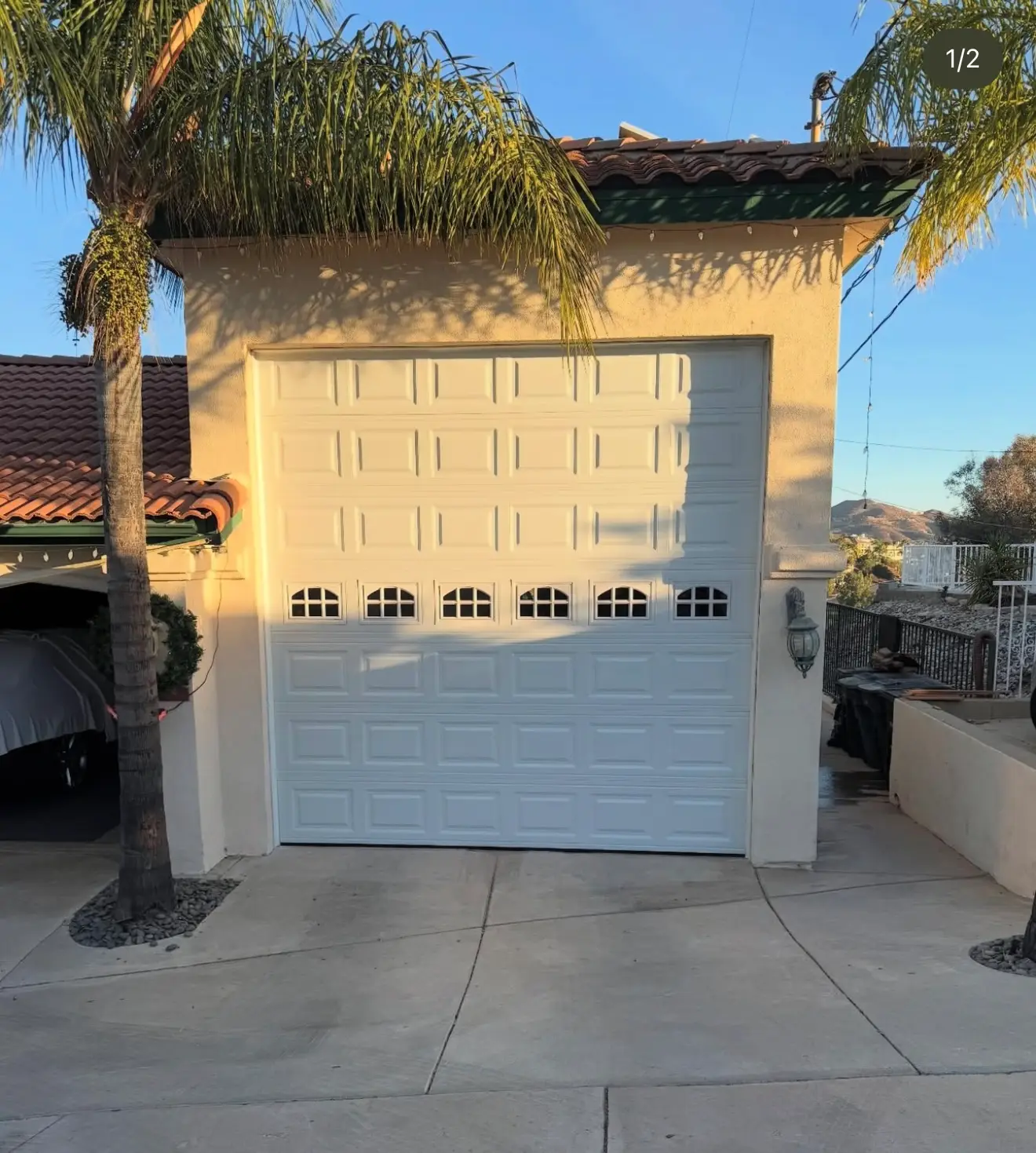
A power outage can turn a working garage into a blocked exit within seconds. A battery-backup garage door opener in Southern California keeps access available when the power fails. Cali Pros Garage Door can inspect an older unit. Its garage door opener repair in Menifee service includes a full system check. This guide explains when backup power is required. It also shows when backup cannot solve the real problem.
Do Southern California Homeowners Need Battery Backup Right Now?
New home opener installs in California need battery backup. Many older openers may remain in service until they are replaced. A replacement garage door can also trigger an opener upgrade. This happens when the old unit lacks legal backup power.
Legal need is only part of this decision. A household may rely on the garage as its main vehicle exit. Heavy doors and limited mobility make hand lifting difficult. Wildfire conditions can make that task even harder.
The safest answer comes from two separate checks. First, confirm what California law requires for the planned project. Then confirm that the door, motor, and battery can perform during a real outage.
What Does California SB 969 Require for Garage Door Openers?
California SB 969 took effect on July 1, 2019. It prohibits the sale or installation of a residential automatic opener without battery backup. Cali Pros Garage Door treats compliance as a starting point, not an optional upgrade. Each new unit must keep the opener operational during an electrical outage.
The law also covers a replacement home garage door. Installers cannot connect that door to an old opener without the required battery. Homeowners planning to install a residential garage door should check the motor first. Complete this check before ordering door sections or labor.
The law does not require the removal of every pre-2019 opener solely because of age. An older unit can remain until a covered sale, install, or door project occurs. Local permits may add rules. Unusual home or mixed-use sites need a separate review.
Why Does Battery Backup Matter During Southern California Power Shutoffs?
Southern California utilities may shut off power during dangerous fire-risk conditions. Strong winds, dry plants, and low humidity can raise fire risk. SCE and SDG&E refer to these as Public Safety Power Shutoffs. Most residents know them as PSPS events.
Menifee, Murrieta, Temecula, Wildomar, and Lake Elsinore can experience wildfire conditions and heat-related outages. Inland garages also become very hot during summer. A homeowner may need powered access while visibility, time, and physical strength are limited.
Battery backup supports one part of a larger emergency plan. Households still need alerts, evacuation routes, and a practiced manual-release procedure. Cali Pros readers can extend that planning with this wildfire-season garage door preparation guide.
How Does a Battery Backup Garage Door Opener Work During an Outage?
Most supported openers keep a rechargeable battery inside or beside the motor housing. Normal home power keeps it charged. Cali Pros Garage Door technicians can find the battery compartment. They can also confirm that it fits the opener model.
The opener switches to battery power when grid power stops. Wall controls and remotes usually keep working. Some models move more slowly. They may also disable lights, timers, locks, cameras, or remote-close features.
Battery size, age, door balance, heat, and use affect outage performance. Maker documents often rate performance in cycles or normal-use time. Those figures are not a promise for every garage. An old battery or heavy door can change the result.

How Can Homeowners Test Battery Backup Before Fire Season?
Start with the label on the motor housing. Record the brand, model, and install date. Find the battery cover and status light. Then compare those parts with the owner manual.
Close the door fully and clear its path. Keep people, pets, and vehicles away. Unplug the opener from home power, then run one full cycle. A working battery should move the door. Its speed and lights may change.
Battery readiness also depends on a balanced door. A technician can test springs, rollers, tracks, sensors, and the manual release. This work fits within professional garage door maintenance. Never pull the release under an open door. A poorly balanced door can fall.
Menifee homeowners unsure about battery health can call (951) 218-2664. They can schedule a battery-backup readiness check in Menifee. The visit identifies the model, tests backup use, and checks door balance before an outage.
When Will Battery Backup Fail to Open a Garage Door?
An opener battery powers the motor, but springs carry most of the door’s weight. A broken spring can make the door too heavy. Repeated attempts may damage the opener. The lift system needs garage door spring replacement before another powered cycle.
Backup power cannot straighten a bent track or return a loose roller. It also cannot move a blocked door. Safety sensors may stop closing when an object breaks their beam. This protection still works during battery use.
A battery loses capacity as it ages. Heat, prolonged storage, charging faults, and repeated outages can shorten the useful service life. Some old AC-motor openers have no approved battery option. A generic power source may create compatibility and compliance problems.
How Long Can a Garage Door Opener Run on Battery Power?
There is no reliable universal runtime for every opener. Some manufacturers describe capacity in terms of opening and closing cycles. Others describe one or more days of normal use under stated test conditions.
Door weight, spring balance, battery age, heat, and cycle rate change real performance. A heavy door needs more motor effort. A weak battery may pass one test cycle. It can still fail during a long outage.
Treat published ratings as planning estimates, not promises. One controlled test confirms present use. Fewer outage cycles save more battery power. That power remains available for key trips and final closure.
How Do Battery Backup and the Manual Release Work Together?
Battery backup and the manual release serve different failures. The battery keeps a supported motor working without home power. The release disconnects the door from the opener. A person can then move it by hand.
Hand operation still depends on healthy springs and proper balance. A balanced door should move with controlled effort after safe release. A door that drops or binds needs expert service. The same applies when it feels too heavy.
Test the release only with the door fully closed. An open, unsupported door can move without warning. Every adult should know where the release sits. It still cannot replace routine care.
Can a UPS or Portable Power Station Replace Integrated Battery Backup?
An external power supply may run some home equipment. That fact does not make an opener legal. California law requires backup designed for outage use. Product approval and install details still matter.
Openers can draw a strong burst of power at startup. A small portable source may shut down or overheat. It may also fail to move the door. Extension cords add trip, exposure, and connection risks.
Use only power arrangements approved by the opener manufacturer and accepted for the project. Integrated or listed battery systems provide clearer compatibility. A portable source should never bypass safety sensors, grounding, or normal electrical protections.
Should Homeowners Replace the Battery, Add a Backup, or Replace the Opener?
A replacement battery suits an opener that already includes integrated backup and works well on household power. Match the exact battery specification and connector. A fresh battery will not repair a failing motor, damaged logic board, or unbalanced door.
Some opener families accept an approved battery accessory. Many older models do not. Compatibility depends on motor design, control electronics, charging hardware, and manufacturer approval, not the presence of space near the motor.
Complete garage door motor replacement makes sense when an old unit lacks approved backup or needs repeated repairs. The replacement can add quieter operation, current safety controls, available batteries, and reliable parts support.
How Should Households Prepare for a Longer PSPS Outage?
A garage battery supports limited door operation, not whole-home power. Households should reduce unnecessary cycles during an extended shutoff. Keep the door closed between essential trips to preserve security and remaining battery capacity.
Utility alerts should guide timing and evacuation decisions. SCE and SDG&E may provide notices as fire-risk conditions develop. Contact information must stay current so alerts reach the household before service interruption.
Keep remotes, keys, flashlights, and emergency contacts in known locations. Practice the manual release during normal conditions with the door closed. An outage plan should also account for pets, mobility limits, medications, and alternate exits.
Where Can Homeowners Verify California’s Battery Backup Rules?
California publishes the chaptered text of Senate Bill 969 on its Legislative Information website. The page states the July 1, 2019 effective date, the covered residential openers, the replacement-door provision, and the civil penalty language.
Manufacturer manuals remain the correct source for battery signals, replacement intervals, and compatible parts. Local building departments can answer permit questions for unusual properties. Professional evaluation adds door balance and mechanical condition to that legal and technical review.
Official utility pages provide current PSPS alerts and preparation guidance. Those pages should guide outage timing, not social posts or old neighborhood messages. Garage readiness works best when equipment checks and utility alerts support the same emergency plan.
Conclusion
California requires battery backup on covered residential opener sales and installations. Older systems need a more careful decision. Opener age, battery compatibility, door balance, mobility needs, and local outage exposure determine the safest path.
Cali Pros Garage Door can inspect the existing system and explain the practical options. Homeowners comparing connected features can also read this smart garage door opener guide after confirming battery and mechanical readiness.
Cali Pros Garage Door provides opener and battery assessments across Menifee and nearby Southern California communities. Call (951) 218-2664 or request an opener and battery evaluation to identify the correct repair, battery, accessory, or replacement path.
Frequently Asked Questions
Do I need to replace a working garage door opener installed before July 2019 in California?
No. A working opener installed before July 1, 2019, does not need to be replaced solely because it lacks battery backup. A new opener must comply, and a replacement residential door cannot connect to a noncompliant opener. A technician can review unusual project details and permit needs.
Does every powered door in a three-car garage need its own battery-backup opener?
Each newly sold or installed residential automatic opener in California must include battery backup. A three-car garage may use several motors. Every opener needs its own compliance and battery check before work begins. Test each door because battery age and balance may differ slightly.
Will a battery backup open the garage door when a spring breaks during an outage?
Usually not safely. Battery backup powers the opener motor, while springs support most of the door’s weight. A broken spring can leave the door too heavy to lift and may strain the motor. Stop operating the system, keep clear of the door, and arrange professional spring service before another cycle.
How can a Menifee homeowner test a garage door opener battery before wildfire season?
Close the door, clear its path, unplug the opener, and run one controlled cycle with the remote or wall control. Normal movement confirms basic backup operation. A failed or weak cycle requires model-specific battery testing, plus a door balance and safety inspection, before fire season.
Is replacing a dead battery the same as adding backup power to an older opener?
No. Battery replacement restores an existing backup system with a compatible pack. Adding backup to an opener that never supported it requires a manufacturer-approved accessory, and many old AC units lack one. Unsupported batteries may create charging, safety, and compliance problems.
How often should a garage door opener backup battery be replaced in Southern California?
Use the opener manual and the status indicator instead of a single universal schedule. Manufacturer guidance often cites about one to two years under normal use. Heat, charging faults, and outages can change that period. Test before fire season and replace a battery that fails its cycle safely.