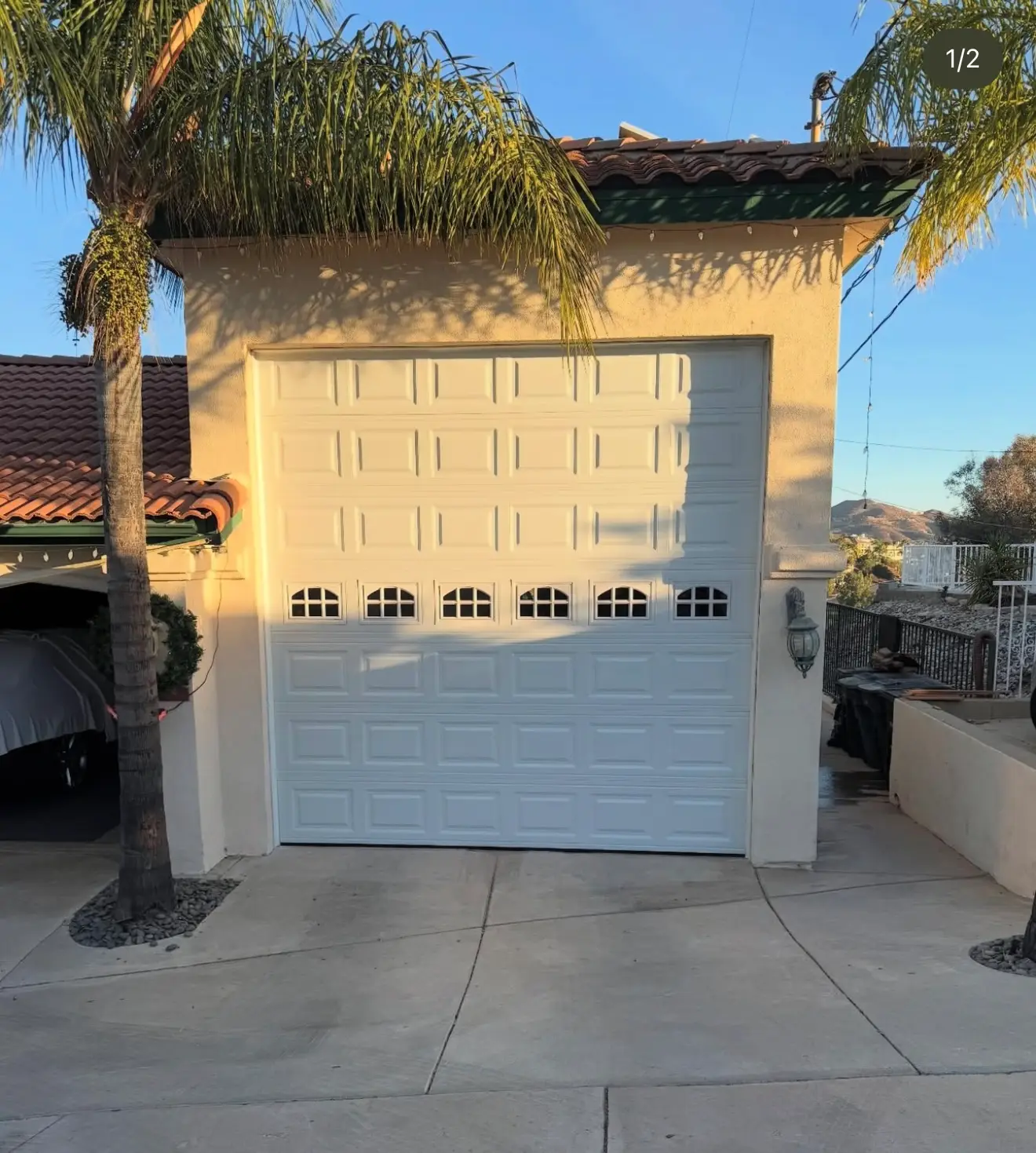
A garage door rarely gets a second look after an earthquake, right up until it will not open. Menifee sits close enough to two active fault systems that this question comes up more than most homeowners expect. Cali Pros Garage Door put together this inspection checklist for exactly that reason. It walks through what to check, in the right order, before anyone tries to use a shaken door again.
Why Does Menifee Sit So Close to Active Earthquake Faults
Menifee is not far from two of the region’s most active fault systems. The San Jacinto Fault Zone runs through the Badlands near Moreno Valley and has produced damaging earthquakes with magnitudes above 7.0. The Elsinore Fault runs through Lake Elsinore itself, just up the road, and is capable of similarly strong shaking.
Both faults move often enough that smaller tremors are a regular part of life across Riverside County. Most cause no visible damage to a home. A garage door tells a different story. It sits in one of the largest unsupported openings in the whole structure. That makes it more sensitive to shifting and racking than a solid wall.
Regular seasonal upkeep matters here for a reason beyond convenience. A seasonal garage door tune-up catches loose hardware before a quake ever tests it. Doors that already run tight and balanced tend to hold up better once shaking starts.
What Actually Happens to a Garage Door During an Earthquake
The ground does not just shake up and down during a quake. It moves sideways too, and that sideways motion twists the wood frame around a garage opening. Builders call this frame racking, and it briefly turns a square opening into a diamond shape.
Cali Pros Garage Door sees the same pattern on nearly every post-quake call in Menifee and Sun City. Tracks and rollers usually take the first hit, since they are bolted directly to the frame that just racked. A door that seemed fine right after a quake can still be quietly out of alignment underneath.
Springs and cables come under strain next, especially once a misaligned door starts binding on its tracks. Openers and motors take the load, followed by panels, hinges, and fasteners. Knowing this order helps a homeowner check the door in a way that catches problems early.
Not sure if a garage door came through the last quake undamaged? We offer a same-day post-earthquake inspection covering the tracks, springs, and the opener. Call 951-218-2664 or schedule an inspection before running the door again.
A Post-Earthquake Garage Door Inspection Checklist for Menifee Homeowners
Run through this checklist before using the door again. Do it within a day of any earthquake felt strongly enough to notice. Each step takes only a minute or two.
If any step turns up a problem, stop using the door and call for an inspection. Forcing a misaligned door through repeated cycles usually turns a minor fix into a bigger repair. The emergency repair team handles same-day calls across Menifee for doors that need immediate attention.
Never touch a spring, cable, or drum directly, even on a door that looks undamaged. These parts hold enough stored tension to cause serious injury if something shifts while a person is working near them.

Should You Repair or Replace a Garage Door After Earthquake Damage
Most post-quake damage in Menifee falls into a fairly narrow range. A bent track, a popped roller, or the need to replace a damaged torsion spring after extra strain covers most calls. These issues are usually a straightforward repair, especially when caught within the first few days.
Cali Pros Garage Door sees a different picture on older doors that were already worn before the quake hit. A door with a warped frame, corroded hardware, or a history of repeated failures tells a different story. Patching it again often costs more over time than replacing it outright. The table below breaks down how to think through that decision.
Is It Safe to Run the Garage Door Opener Right After a Quake
Openers take two kinds of hits during an earthquake. A power surge from a grid disruption can damage the logic board that controls the whole unit. A door that is binding from track damage can also overwork and burn out the motor.
Safety sensors near the floor are especially easy to knock out of line. When the two sensors lose their beam alignment, the opener assumes something is blocking the door. It then refuses to close properly, which is the system working as designed. That is the system working as intended, just confused by a bumped bracket.
A professional opener inspection covers the logic board, motor strain, and sensor alignment together in a single visit. Catching a strained motor early is far cheaper than waiting for it to fail completely.
Does Homeowners Insurance Cover Earthquake Damage to a Garage Door
Standard homeowners insurance in California typically excludes earthquake damage altogether. Coverage for a damaged garage door usually requires a separate earthquake policy, most commonly through the California Earthquake Authority.
Riverside County’s own emergency resources note that both the San Jacinto and Elsinore faults pose real risk here. They also note that earthquake coverage has to be purchased separately from a standard policy. The Ready Riverside earthquake preparedness page is a useful starting point for checking exact fault proximity and coverage details.
A documented repair estimate helps either way, insured or not. Keeping photos and an itemised quote on file makes any future claim, appeal, or resale disclosure much easier to handle.
Conclusion
Earthquakes stress a garage door in a specific, fairly predictable order. Tracks and rollers go first, then springs, openers, and finally the frame itself. A short inspection checklist after any felt shaking can catch most of the damage early. Menifee’s position near the San Jacinto and Elsinore faults makes that quick check worth building into a regular routine.
Cali Pros Garage Door has inspected and repaired garage doors across Riverside County since 2015. The same maintenance steps used to protect a garage door during wildfire season also help a garage door withstand earthquake-related stress. That includes plenty of post-earthquake calls in Menifee and Sun City.
A shaken garage door is easy to overlook until it jams shut or drops unexpectedly. Cali Pros Garage Door offers same-day inspections across Menifee and the Inland Empire after any earthquake strong enough to notice. Call 951-218-2664 or reach out to the team to get a door checked before using it again.
Frequently Asked Questions
What part of a garage door usually fails first in an earthquake?
Tracks and rollers typically fail first because they are bolted directly to the frame, which twists during shaking. A misaligned track pops rollers loose and causes the door to bind or hang crooked. Springs, cables, and the opener usually show strain only after that initial misalignment sets in.
Is it safe to use a garage door right after feeling an earthquake?
Only after a quick visual check first. Look for uneven gaps, bent tracks, or a door that hangs crooked before pressing the button. Forcing a misaligned door through repeated cycles can burn out the opener motor or snap a spring that was already under extra strain from the shaking.
How close is Menifee to an active earthquake fault?
Menifee sits near both the San Jacinto Fault Zone, which runs through the Badlands by Moreno Valley, and the Elsinore Fault, which runs through Lake Elsinore. Both are capable of strong earthquakes, and smaller tremors from these systems happen fairly often across Riverside County.
Does homeowners insurance cover garage door damage from an earthquake?
Usually not on its own. Standard California homeowners policies typically exclude earthquake damage, including damage to a garage door or opener. Coverage generally requires a separate policy, often through the California Earthquake Authority, so it helps to confirm details with an agent directly.
Can a small tremor actually damage a garage door?
Yes, even a light shake can knock a roller off track or loosen the bolts holding a bracket in place. Repeated minor tremors add up over several months, gradually loosening hardware that eventually fails during ordinary daily use rather than during the quake itself.
How often should a garage door be inspected in an earthquake-prone area like Menifee?
A professional inspection once a year covers routine wear, but any earthquake felt strongly enough to notice warrants a quick visual check within a day or two. Catching a bent track or loose bracket early usually means a same-day repair instead of a bigger, more expensive fix later.