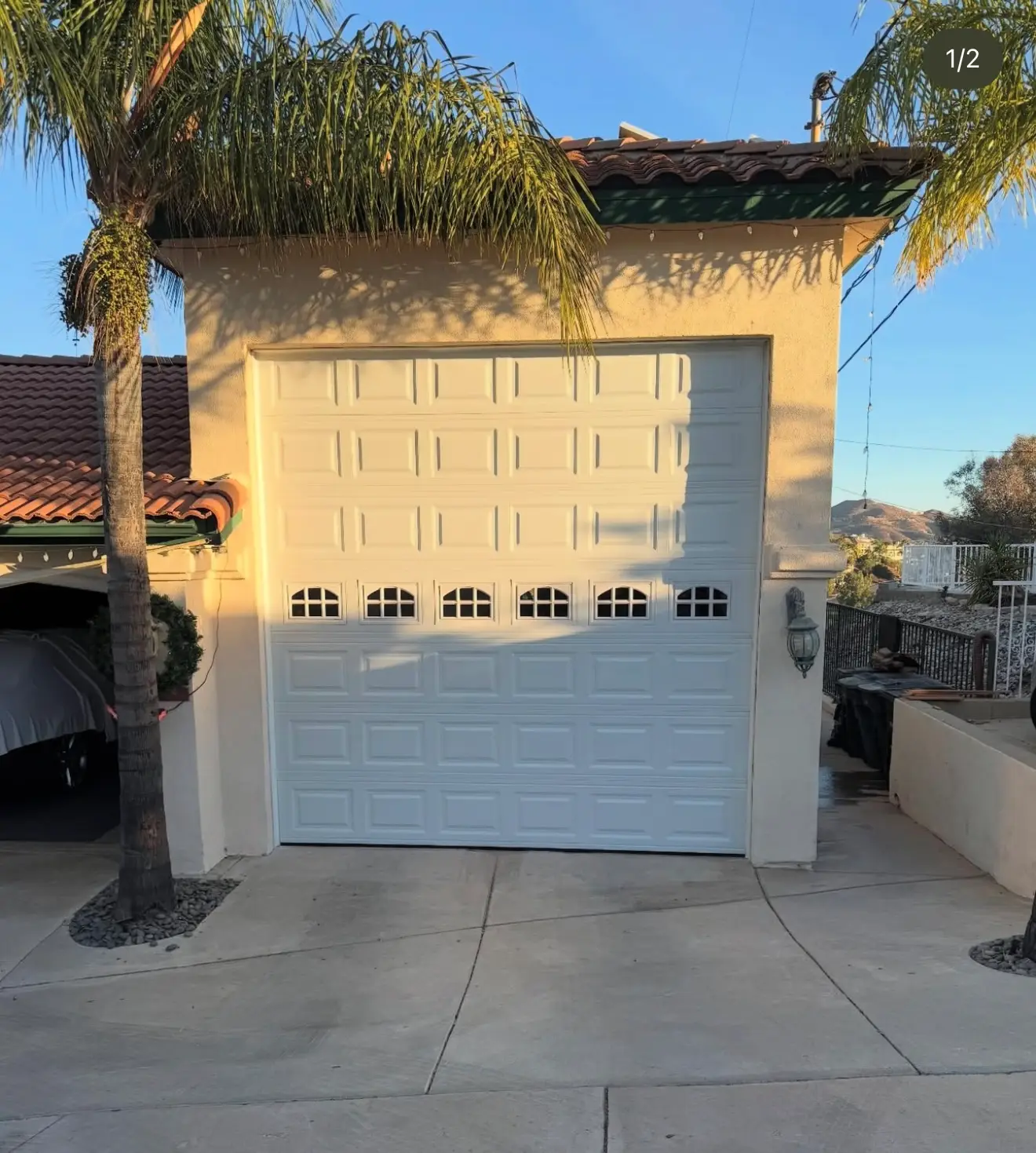
A garage door works hard every single day, so problems are bound to show up. The most common garage door problems in Temecula homes range from broken springs to faulty sensors. Most start small and grow worse if ignored.
Cali Pros Garage Door handles fast garage door repair in Temecula and the surrounding cities. This guide covers the issues homeowners face most, what causes them, and how to fix them. Knowing the warning signs helps catch trouble early.
Why Garage Door Problems Are So Common in Temecula
A typical garage door opens and closes thousands of times a year. Every cycle wears the springs, rollers, and cables. That heavy use makes problems a matter of when, not if.
Temecula’s climate adds extra strain. Hot summers, strong sun, and dust all take a toll. Parts dry out and wear faster here than in milder areas.
Most issues trace to a handful of common parts. Knowing them speeds the fix. Early attention keeps repairs small.
Broken Garage Door Springs
A broken spring is the single most common garage door failure. The spring counterbalances the door’s heavy weight. When it snaps, the door becomes nearly impossible to lift.
A loud bang from the garage often signals a broken spring. The door may also sit crooked or refuse to open. Prompt broken spring repair restores safe operation.
Springs hold extreme tension and cause most DIY injuries. They are never a safe homeowner fix. A trained technician should always handle them.
A Garage Door That Won’t Open
A door that will not open usually points to the springs or opener. A broken spring is the top mechanical cause. A dead opener or lost power is another.
A disconnected emergency release can also stop the door. The trolley simply stops gripping the rail. Re-engaging it often solves the problem.
Worn or jammed parts can lock the door in place. Forcing it risks more damage. A proper diagnosis pinpoints the real cause.
A Garage Door That Won’t Close
A door that will not close most often has a sensor problem. The photo-eye sensors near the floor block closing when misaligned. This is the top “won’t close” complaint.
A blocked sensor beam stops the door for safety. Dirt, sun glare, or a bumped bracket can trigger it. Cleaning and realigning the eyes usually fixes it.
Other causes include limit settings and track obstructions. A deeper look at why a garage door won’t close helps. Most fixes are quick and inexpensive.

Misaligned or Dirty Safety Sensors
Safety sensors are a frequent source of garage door trouble. The two photo eyes must line up across the opening. A small bump knocks them out of alignment.
A steady light on both sensors means they are aligned. A blinking light signals a problem. Cali Pros Garage Door realigns and tests sensors as part of any service.
Dust and spider webs also block the beam. Temecula’s dry, dusty air makes this common. A quick wipe often restores normal closing.
Garage Door Off the Track
An off-track door is a serious safety hazard. The rollers jump out of the metal tracks. The door can hang crooked or even fall.
A common cause is a door struck by a vehicle. Worn rollers and uneven spring tension also lead to it. A broken cable can drop one side.
An off-track door should never be forced. It can fall suddenly and cause injury. A professional resets it safely.
Worn Rollers and Hinges
Rollers and hinges guide the door along its path. They wear out from constant use. Old steel rollers rattle, grind, and eventually seize.
Worn parts make the door noisy and rough. They also strain the opener. Replacing them smooths and quiets the door.
Nylon rollers last longer and run quieter. They need no lubrication. Many Temecula homeowners upgrade during a tune-up.
Frayed or Broken Cables
Lift cables work alongside the springs to raise the door. They fray and snap over time. A broken cable can drop the door or pull it crooked.
Rust and wear weaken the strands first. A frayed cable is a clear warning sign. It should be replaced before it fails completely.
Cables sit under high tension like springs. They are not a safe DIY repair. A technician replaces them in pairs for balance.
Most garage door problems get worse and pricier the longer they wait. Call 951-218-2664 for a fast, free diagnosis in Temecula or a nearby city. Reach the team through the contact page for honest, upfront pricing.
A Noisy or Shaky Garage Door
A noisy door points to wear or loose hardware. Squeaks mean dry rollers and hinges. Rattles mean bolts and brackets have worked loose.
Grinding suggests misaligned tracks or worn rollers. A shaking door often needs tightening and lubrication. The noise is the door asking for service.
Regular lubrication prevents most of these sounds. A twice-yearly coat keeps parts moving smoothly. Persistent noise calls for a closer look.
Opener and Motor Failures
The opener is the motorized heart of the system. It wears out after years of daily use. Strange noises, slow movement, and reversing are early signs.
Worn gears and a failing motor are common faults. A humming opener that will not move points to the motor. Fast opener repair or replacement restores reliability.
Older openers also lack modern safety and smart features. An upgrade can add both. A technician advises on repair versus replacement.
Remote and Keypad Problems
A remote or keypad that stops working is a frequent annoyance. A dead battery is the most common cause. A simple swap often fixes it.
Lost programming and signal interference also cause trouble. Reprogramming the remote usually helps. A damaged keypad may need replacing.
Range issues can point to a weak antenna. Sun and heat damage outdoor keypads over time. A keypad cover extends their life.
How Temecula’s Climate Affects Garage Doors
Temecula summers often climb past 95 degrees Fahrenheit. That heat expands metal parts and dries out lubrication. Springs and rollers wear faster as a result.
Strong sun fades and warps door panels over the years. Dust and wind foul the tracks and sensors. Cali Pros Garage Door recommends routine garage door maintenance to fight these effects.
Temperature swings between hot days and cool nights stress the metal. Regular lubrication and inspection offset the wear. Local conditions make upkeep more important here.
How Much Do Common Garage Door Repairs Cost
Repair costs vary with the part and the severity. The 2026 ranges below reflect typical California pricing. A diagnosis gives the exact figure.
| Repair | Typical 2026 Cost | Notes |
|---|---|---|
| Sensor realignment / minor fix | $75 – $150 | Often a quick service call |
| Roller replacement (set) | $100 – $300 | Nylon upgrade available |
| Cable replacement | $100 – $200 | Safety-critical, done in pairs |
| Spring replacement | $150 – $400 | Torsion or extension type |
| Off-track realignment | $125 – $300 | Depends on severity |
| Opener repair or replacement | $150 – $700 | Repair versus new unit |
Minor sensors and remote fixes cost the least. Springs, cables, and openers cost more. For local detail, see typical garage door repair pricing in California.
When to Repair, Replace, or Call a Pro
Many small issues suit a quick professional repair. Sensor alignment, roller swaps, and tune-ups are routine. They restore the door for a modest cost.
Some problems point toward replacement instead. An old door with repeated faults can cost more to keep fixing. Safety guidance like DASMA’s garage door safety tips helps frame the choice.
Anything under tension means calling a pro. Springs, cables, and off-track doors cause serious injuries. A trained technician handles them safely.
Keeping a Temecula Garage Door Running Smoothly
The most common garage door problems in Temecula homes share a clear pattern. Springs, sensors, rollers, cables, and openers cause the bulk of service calls. Most are simple to fix when caught early.
Cali Pros Garage Door keeps Temecula doors safe, quiet, and reliable year-round. When repairs start to add up, it helps to weigh deciding between repair and replacement. Regular care is the best defense against a sudden breakdown.
Cali Pros Garage Door repairs springs, openers, cables, rollers, and off-track doors across Temecula, Murrieta, Menifee, and the Inland Empire. Call 951-218-2664 or use the contact page for a free estimate with upfront pricing. The family-owned team backs every repair with a workmanship guarantee.
Frequently Asked Questions
1. What is the most common garage door problem in Temecula homes?
The single most common garage door problem is a broken torsion spring, and it tops the list in Temecula just as it does elsewhere. Springs carry the entire weight of the door and wind and unwind with every use, so they wear out faster than almost any other part. When a spring breaks, the door becomes very heavy, will not open with the opener, and often sits crooked. A loud bang from the garage is a classic sign. Close behind broken springs are misaligned safety sensors, which are the leading reason a door will not close. In Temecula specifically, the dry, dusty air and intense summer heat speed up wear, so springs, rollers, and lubrication tend to need attention sooner than in cooler, milder regions. Worn rollers and failing openers round out the most frequent calls. The good news is that most of these problems show early warning signs, such as new noises, slow movement, or a door that hesitates. Catching them early keeps the repair simple, safe, and affordable rather than letting a small issue become a major failure.
2. Why won’t my garage door close even though nothing is in the way?
A garage door that reverses or refuses to close with nothing blocking it almost always has a safety sensor problem. Every modern door has two photo-eye sensors mounted a few inches above the floor on each side of the opening. They send an invisible beam across the door, and if anything interrupts it, the door stops or reverses for safety. The catch is that the beam can be broken by more than just objects. A sensor knocked slightly out of alignment, a buildup of dust or cobwebs on the lens, or even direct sun glare can all trigger a false block. In Temecula’s dusty, sunny climate, dirty or misaligned sensors are especially common. Start by wiping both lenses clean and checking that each sensor shows a steady indicator light rather than a blinking one. Gently realign them so they point directly at each other. If the door still will not close, the problem may be the opener’s limit settings, the logic board, or the track. Those cases are best handled by a professional who can diagnose the exact fault.
3. Can the Temecula heat really damage my garage door?
Yes, Temecula’s hot, dry climate genuinely affects garage doors over time. Summer temperatures regularly climb past 95 degrees Fahrenheit, and that heat causes the metal components to expand and the lubrication to dry out faster. As grease thins and evaporates, rollers, hinges, and springs run with more friction, which speeds up wear and creates noise. Intense, year-round sun also fades paint and can warp or crack door panels, especially on south and west-facing garages. The region’s dust and seasonal winds add another problem by collecting in the tracks and on the sensor lenses, which leads to sticking doors and false sensor triggers. Large swings between hot afternoons and cool nights make metal parts expand and contract repeatedly, adding stress to the springs and hardware. None of this means a door will fail overnight, but it does mean Temecula doors benefit from more frequent maintenance than those in milder climates. Lubricating the moving parts a few times a year, keeping the tracks clean, and scheduling an annual tune-up go a long way toward offsetting the local conditions.
4. Is it safe to fix a broken garage door spring myself?
No, replacing a broken garage door spring is not a safe do-it-yourself project, and it is one of the most dangerous home repairs. Garage door springs, especially torsion springs mounted above the door, are wound under extreme tension to lift a door that can weigh well over a hundred pounds. If a spring or the tools slip during the repair, that stored energy can release violently and cause severe injuries to hands, face, and eyes. Industry safety groups consistently rank springs as the number one source of DIY garage door injuries. The job also requires specialized winding bars, the correct spring size and wire gauge, and precise tensioning, since an incorrectly set spring leaves the door unbalanced and hard on the opener. For these reasons, spring replacement should always be left to a trained technician with the proper tools and experience. A professional can also inspect the cables, rollers, and balance at the same time, since those parts often wear together. The modest cost of professional spring service is well worth avoiding the serious risk of doing it yourself.
5. How much does a common garage door repair cost in Temecula?
Garage door repair costs in Temecula depend on which part has failed, but most fall into predictable 2026 ranges. Minor fixes like realigning or cleaning safety sensors often run about $75 to $150 as a service call. Replacing a set of worn rollers typically costs $100 to $300, with nylon rollers a popular quieter upgrade. Cable replacement generally runs $100 to $200 and is usually done in pairs for balance. Spring replacement, one of the most common repairs, costs around $150 to $400 depending on the spring type and door size. Resetting an off-track door ranges from about $125 to $300 based on the severity. Opener repairs or a full opener replacement can run $150 to $700, depending on whether a part or the whole unit is needed. These are typical ranges, and the final price varies with the specific door, parts quality, and labor. Because a single problem sometimes reveals related wear, an on-site diagnosis gives the most accurate quote. Acting early generally keeps you in the lower, cheaper range rather than facing a larger repair.
6. How often should I have my garage door serviced in Temecula?
For most Temecula homes, a professional garage door tune-up once a year is the right baseline, with simple homeowner maintenance in between. The annual service should include a full inspection of the springs, cables, rollers, tracks, opener, and safety sensors, plus lubrication and balance testing. Because Temecula’s heat, sun, and dust accelerate wear, doors here often benefit from a little extra attention compared with milder climates. Between professional visits, plan to lubricate the moving parts with a silicone or white lithium grease about twice a year, and wipe the sensor lenses and clear the tracks of dust more often during dry, windy stretches. It also helps to watch and listen for early warning signs, such as new grinding or squeaking, a door that moves slowly or unevenly, or sensors that need repeated realignment. Homes with heavy daily use, like those with multiple drivers, may want service more frequently. Staying on a regular maintenance schedule catches small problems before they become costly failures and keeps the door operating safely and quietly for years.